
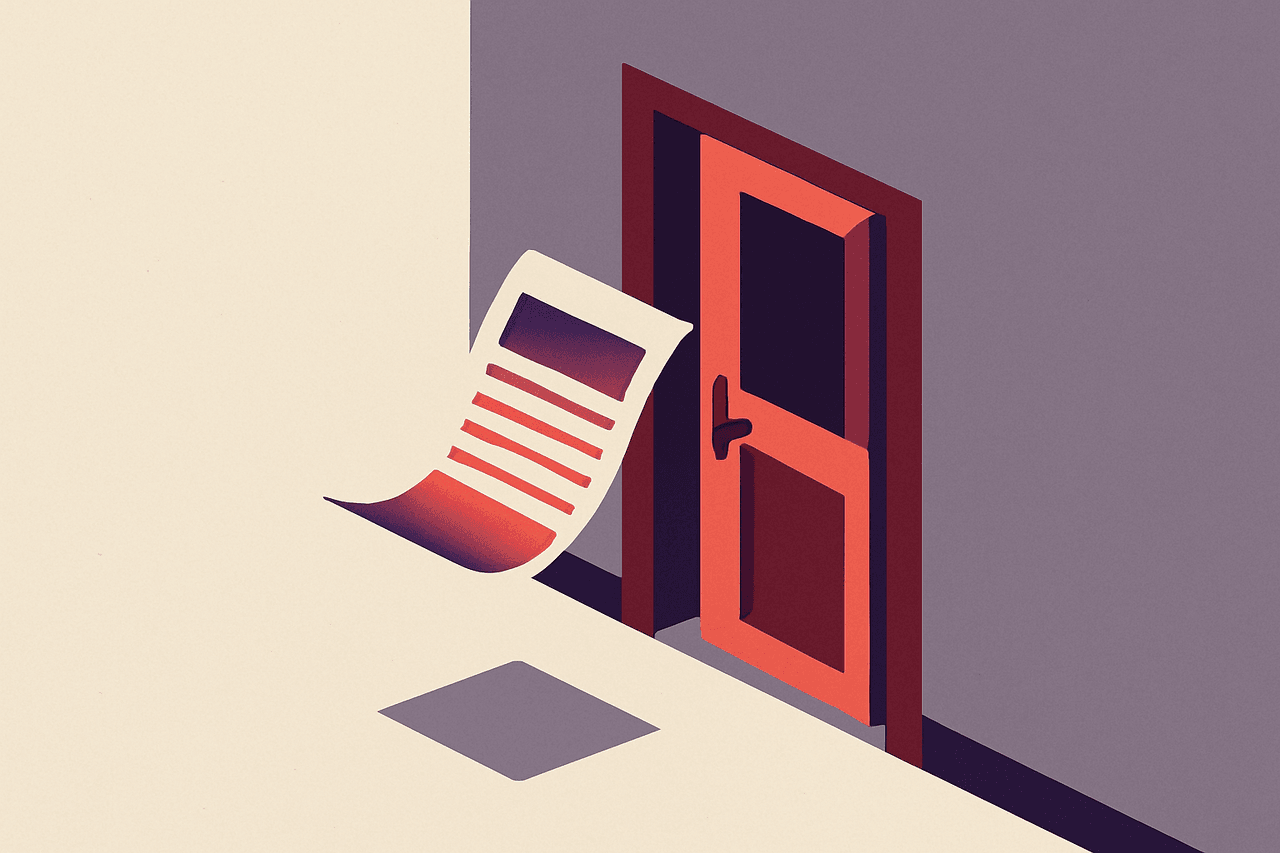
PaperCut's RCE Chain Is a Reminder to Get Admin Consoles Off the Internet
Most of the people who read this blog run mail, not print servers, so let me be honest up front: if you don't have PaperCut NG or MF anywhere in your estate, you can close this tab. But a lot of us run it next to the mail infrastructure — it's the thing that meters departmental printing and holds scanned documents — and the way this one broke is worth understanding even if you're patched, because it rhymes with problems we already know from Zimbra.
What actually happened
PaperCut shipped an emergency fix, then a second one, for two flaws that attackers are chaining in the wild. The Hacker News, drawing on Huntress and watchTowr, lays out the mechanics: CVE-2026-81578 (CVSS 8.8) is an access-control bug in the web management interface where an unauthenticated request can trigger backend actions before the permission check finishes. CVE-2026-82078 (CVSS 9.4) is unsafe dynamic class loading in the database connection utilities — the app will instantiate a driver class from a configurable name without checking it against an allowlist.
Neither is catastrophic alone. Chained, they are. watchTowr's Jake Knott describes the sequence plainly: use 81578 to bypass authentication, edit a configuration file, and use that to hit 82078 for remote code execution. Huntress frames the core of it as an authorization check that trusts the rendered page while missing the permissions required by the component behind it — a classic mismatch between what the UI shows and what the action underneath actually does.
BleepingComputer also reported the zero-day exploitation, corroborating that this is being used, not theorised.
Patching is necessary but not the finish line
Here is the part that should change your Monday. watchTowr says it found multiple patch bypasses, and — critically — that new bypasses affect the latest, fully patched version. So applying the update is table stakes; it does not let you tell your boss the box is safe if it's still reachable from the internet.
The guidance The Hacker News relays is the right one regardless of patch state: remove public internet exposure, and restrict the Application Server's web interface to trusted IPs or put it behind a VPN. If you've administered Zimbra through its string of internet-facing RCEs, this is muscle memory. An admin console written in Java, exposed to the world, is a standing liability whether the current CVE count is zero or two. The console should never have been on a public address in the first place.
Hunting for compromise
If you run PaperCut and it's been reachable, assume you need to look, not just patch. The observed post-exploitation was quiet — Huntress described Base64-encoded commands running whoami & ver (and in a later incident whoami & ver & tasklist) to fingerprint the host, plus an OS-agnostic Java .class file that dumps a directory listing to a file named Udydn.out under a /data/content/ path relative to the install directory. The attackers then delete that file along with the server's server.log and /data/internal/derby.log — so missing or truncated logs are themselves a signal. Knott points to Database error looking up cardID: VALUES CAST errors in the logs as an indicator to grep for.
Huntress says it's only seen limited exploitation across two environments so far and can't yet tell what the actors ultimately want — the activity looks like reconnaissance and validation. That's the calm before someone monetises it. Knott's point about why PaperCut is attractive lands for anyone storing scanned documents: it's an internet-facing pivot into the corporate network and, if print jobs are retained, a document trove worth exfiltrating.
The unglamorous takeaway is the same one that has saved Zimbra shops for years: the management interface of any server-side Java application belongs behind your perimeter, full stop.
Sources
Runs enterprise networks and security for a living, and writes Shore Up to turn two decades of hands-on Linux, Windows and mail-server work into guides you can actually use.
More about the author →Was this article helpful?
Tap a star — no sign-in needed.
Be the first to rate this article.
Related guides

wp2shell Is Already in the KEV List — Patching Won't Un-Own You
CISA put two WordPress core flaws into its Known Exploited Vulnerabilities catalogue on 21 July, alongside a DD-WRT overflow and a Langflow bug. The pair that matters here — CVE-2026-63030 and CVE-2026-60137, chained under the name wp2shell — gives an anonymous attacker remote code execution against a stock WordPress install with a single HTTP request. No login, no plugin, no theme required. By the reporting in The Hacker News, exploitation was underway within hours of the public proof-of-concept, and watchTowr's honeypots logged tens of thousands of attempts.
The Zimbra SNMP hole: who's actually exposed to CVE-2026-73570
Shadowserver's scans put the count at 274 internet-facing Zimbra instances already compromised through CVE-2026-73570, up from 155 flagged on August 20. That's the headline, and both Help Net Security and BleepingComputer reported it on the same Monday. If you run Zimbra Collaboration Suite on the public internet and you haven't moved to v10.1.20, this is your problem now, not next sprint.
The Zimbra Patch Is the Easy Part — Go Read Your Audit Log
If you run Zimbra Collaboration and you've been putting off the 10.1 upgrade, the joint advisory from NSA, CISA and partners this week should end that debate. A Russian state-backed group — tracked variously as TA488, CL-STA-1114, and mapped loosely to LAUNDRY BEAR and Void Blizzard — spent roughly five months of 2025 reading Western mailboxes through CVE-2025-66376 , a stored XSS bug in the Classic Web Client that Zimbra didn't fix until 6 November 2025. As reported by The Hacker News and corroborated by BleepingComputer, the whole thing fired when a user viewed the message. No click, no attachment, no download.
Bulk-Create Zimbra Accounts from a CSV with zmprov
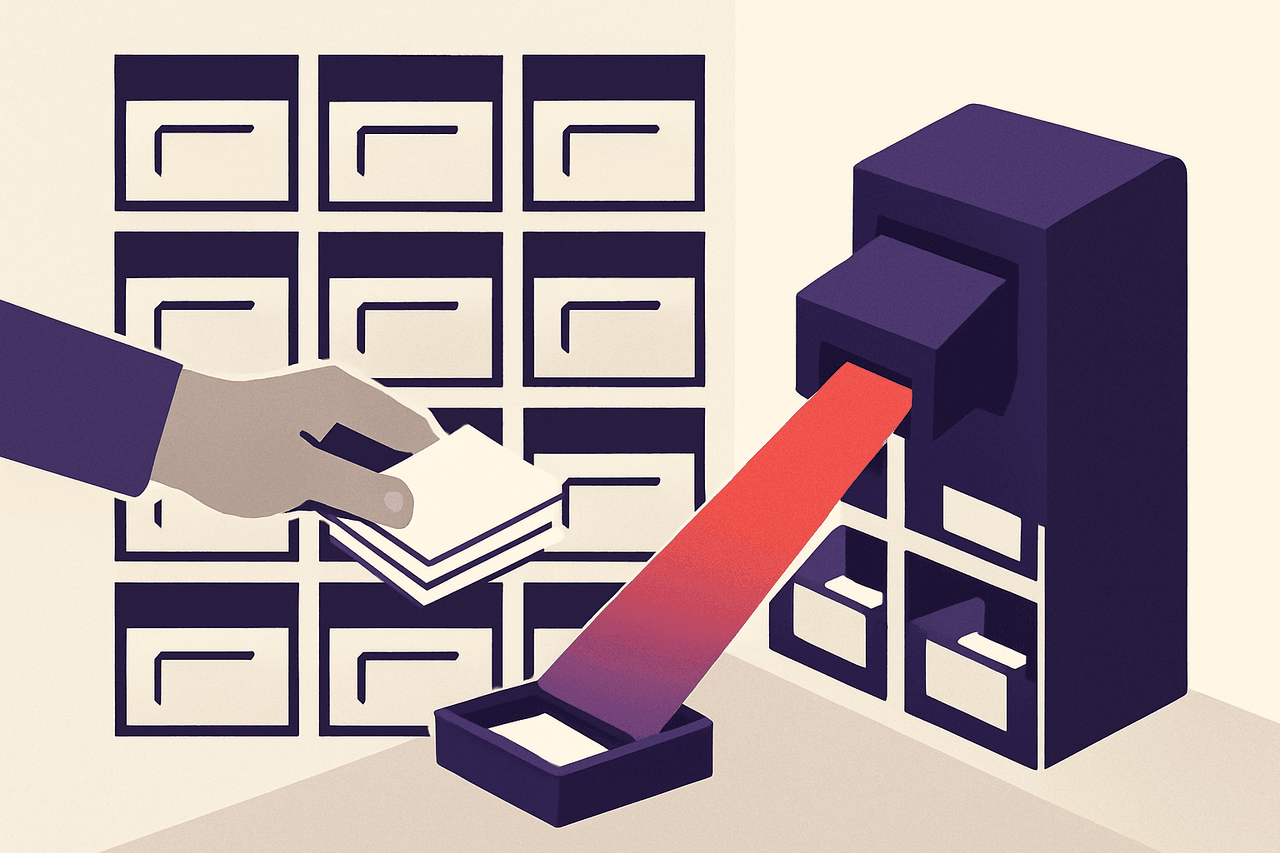
This procedure reads a CSV of new users and generates a batch file of createAccount commands that zmprov executes to create real, live mailboxes on your Zimbra server. Creating accounts is a provisioning action that touches your directory and mail store. It is not destructive on its own — but the rollback (deleting an account) is irreversible: deleteAccount removes the mailbox and all of its mail with no undo. Treat the delete step accordingly.